About
My full name is Rafael de Menezes Ehlers. I was born in Porto Alegre, Rio Grande do Sul, in 1983, and today I live in Balneário Camboriú, Santa Catarina, Brazil. I am a millennial from that small historical window where computers were still strange enough to feel magical: my first computer course was an MS-DOS class at nine years old, on green-screen monitors, and I have been trying to understand what these machines do to people, work, language, and imagination ever since.
My career has moved through software development, technical support, and product management over twenty-five years in tech. More than a decade of that work was in the WordPress plugin ecosystem, supporting, specifying, and shipping alongside engineering teams. Most recently, I worked in the Shopify ecosystem. Across those roles, one thread ran through all of it: there was always an editor in the middle. A newsletter editor at MailPoet, a form editor at GravityKit, a quiz editor at Octane AI, all of them products built around an editing surface.
Each of these editors asked people to translate an intention into the language of software through fields, screens, settings, and structured inputs. Much of my work was about making that translation easier: reducing friction, understanding where people became confused, and helping the product meet them a little closer to where they already were.
Editors are unforgiving products: every rough edge shows up in someone's workflow within minutes, and I spent a decade answering the support tickets that prove it. That is where my working habits come from: discovery before PRDs, assumptions validated with real users, and staying close enough to the implementation to ship things that actually work, not just demo well.
Along the way I became a WordPress contributor, organized the first two WordCamp Porto Alegre, the official WordPress event, and spoke at several others, including this panel.
Language agents invert that relationship. Instead of asking people to learn how software organizes information, they allow people to speak naturally while the system listens, interprets, structures, remembers, and acts. After two decades building interfaces people had to operate, I became interested in systems that could do more of that work themselves, and in what might emerge when those systems remain accountable to the same person over time.
That experience now informs my work in product and writing. I am particularly interested in how memory, continuity, and long-term interaction can make language agents more personal, useful, and accountable, and in what changes when an intelligent system stops merely responding and begins to remember.
Education
Master of Science in Applied Computing
Oct 2026 - In progressUniversidade do Vale do Itajaí (UNIVALI)
Applied Artificial Intelligence
Master of Business Administration
Sep 2026 - In progressPontifícia Universidade Católica do Rio Grande do Sul (PUCRS)
Project Management and Agile Methodologies
Undergraduate Degree in Database Technology
Feb 2024 – Jul 2026Pontifícia Universidade Católica do Rio Grande do Sul (PUCRS)
Focused on Data Analytics, Data Modeling/Warehousing, and DBA.
Capstone: Predicting Negative Reviews in the Olist Ecosystem.
Technical High School in Information Technology
1999 – 2002Escola Técnica Santo Inácio
Languages
Portuguese · Native
English · Fluent
Work Experience
Product Manager
Nov 2025 – Jul 2026 · 9 monthsOctane AI · Remote
Project Manager & Customer Support Manager
Jul 2015 – Aug 2025 · 10 years 2 monthsGravityKit · Remote
Customer Support Manager
Nov 2013 – Dec 2020 · 7 years 2 monthsMailPoet · Remote
Projects
I build side projects to stay close to implementation. Most start as an itch I can't scratch at work, something I want to use myself, or a methodology I want to understand by shipping it: an AI critical-reading tool, a Bayesian interview engine, a class-management platform, and more.
Books
I write books to think through ideas I can't shake, usually between science, philosophy, and the questions neither one answers. One is published; three are in progress.
See the booksEvents
Not everything I shipped was software. I was the lead organizer of the first two editions of WordCamp Porto Alegre, the official WordPress event, bringing my hometown's community together in 2013 and 2015.
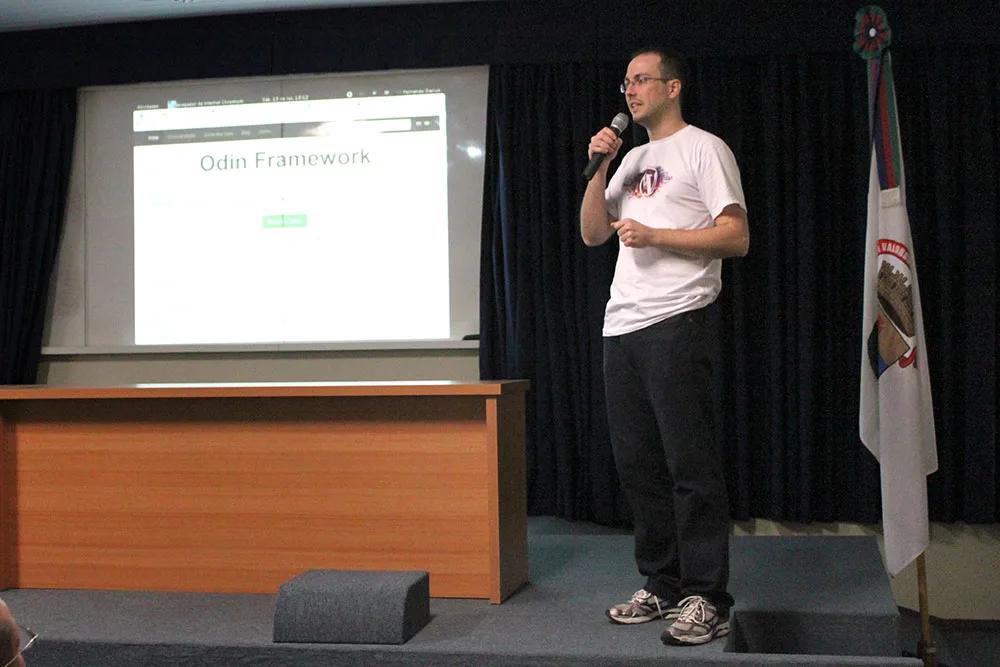
WordCamp Porto Alegre 2013
For the first edition, I led the team that brought the official WordPress event to Porto Alegre.
Event site
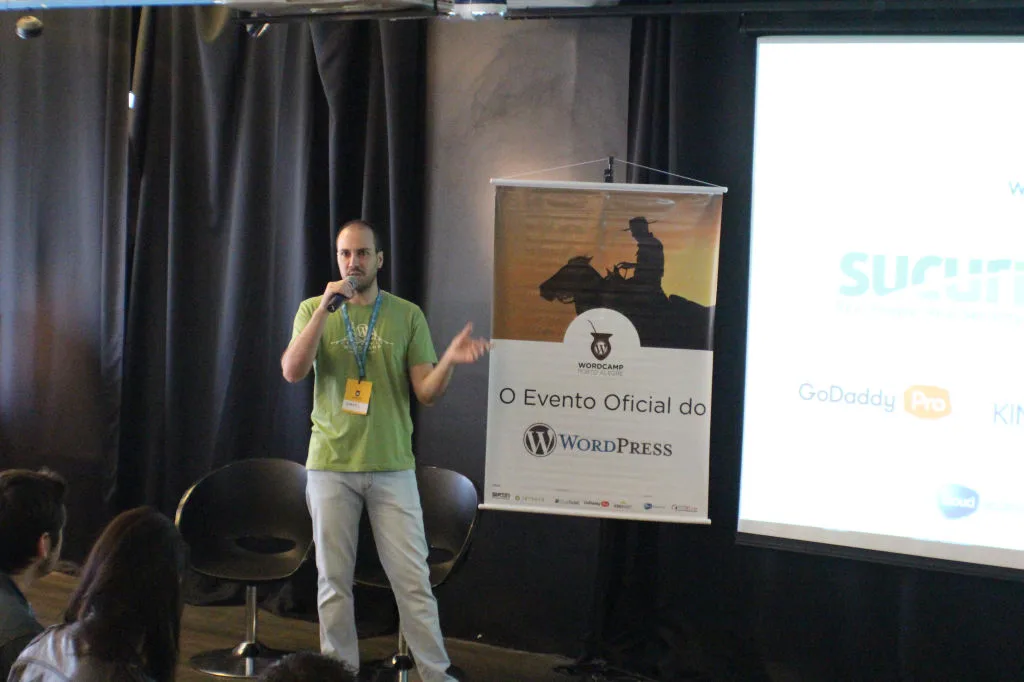
WordCamp Porto Alegre 2015
We came back two years later with a bigger event. By then, the city's WordPress community had taken root.
Event site
The WordPress Job Market: Brazil and the World
At WordCamp Rio de Janeiro 2015, I joined Claudio Sanches and Amure Pinho to discuss careers, business, and opportunities in the WordPress ecosystem. Cadu de Castro Alves moderated the panel. I spoke from my experience leading customer support at MailPoet.
Panel in Portuguese.
Watch on YouTubeVortex
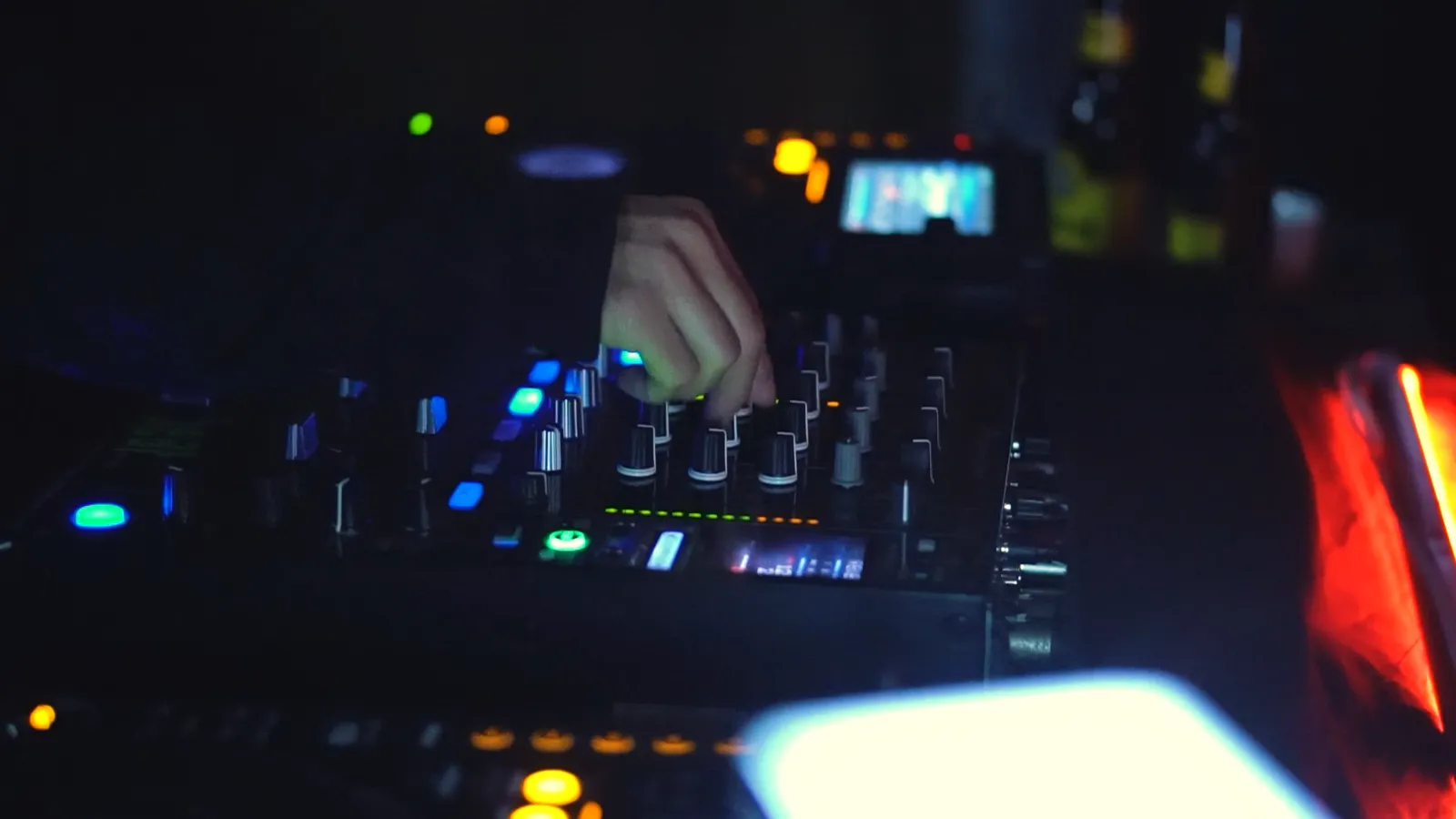
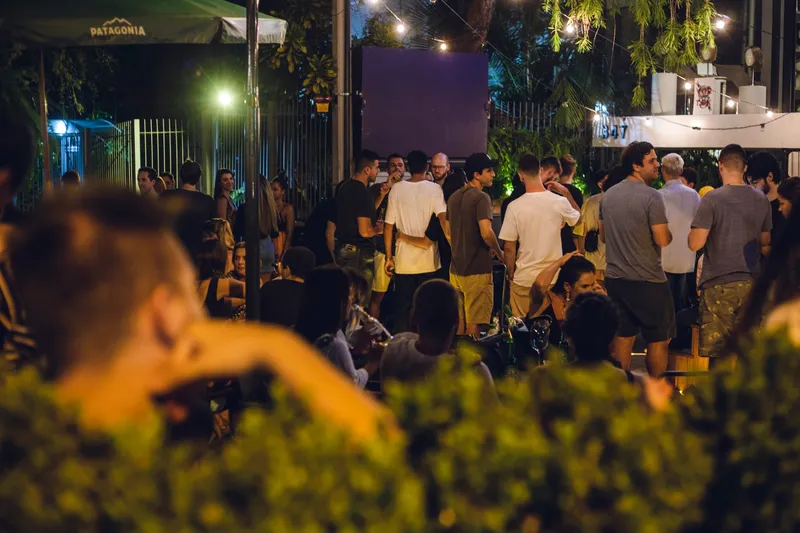
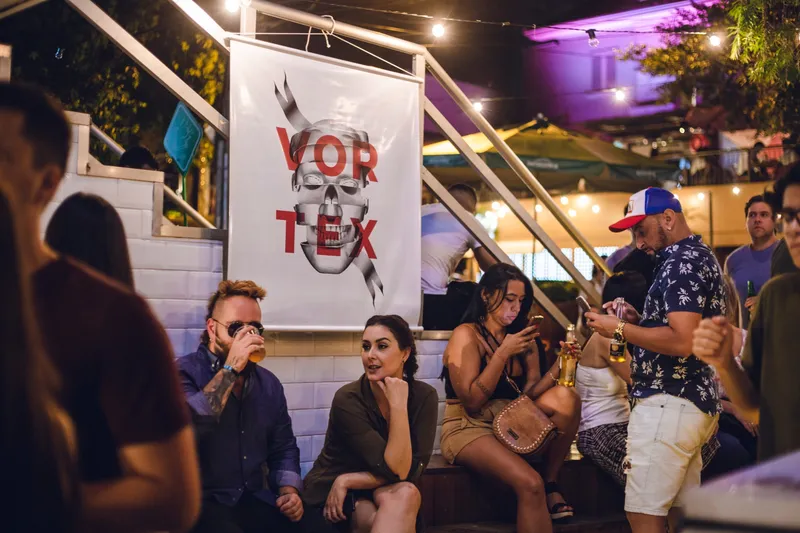
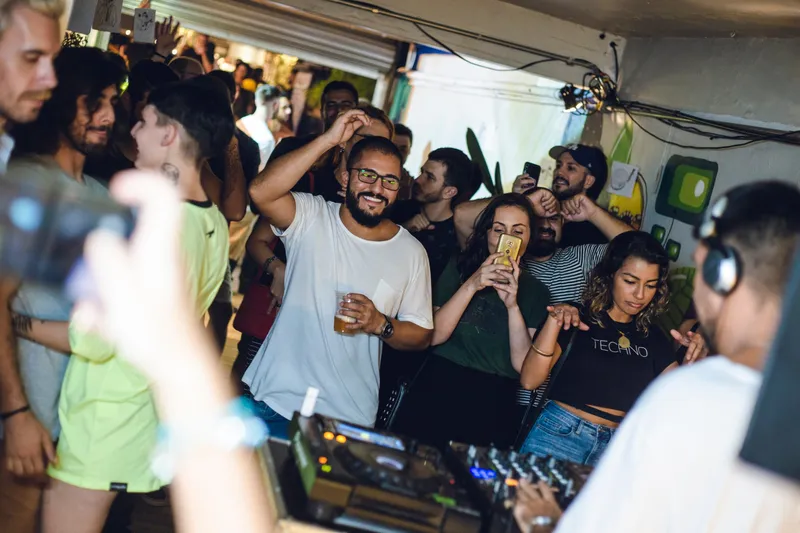
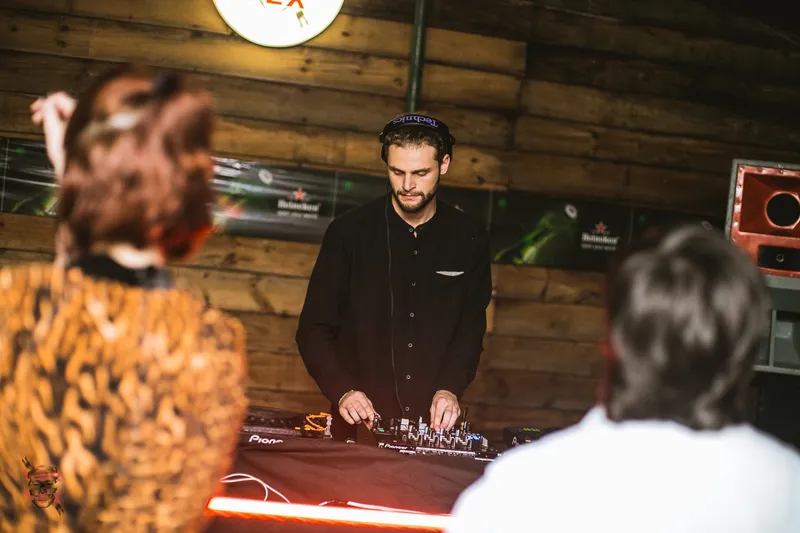
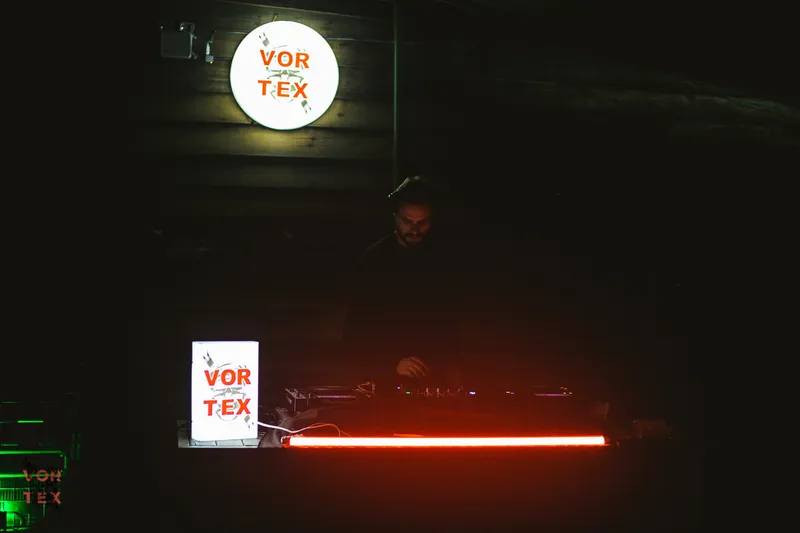
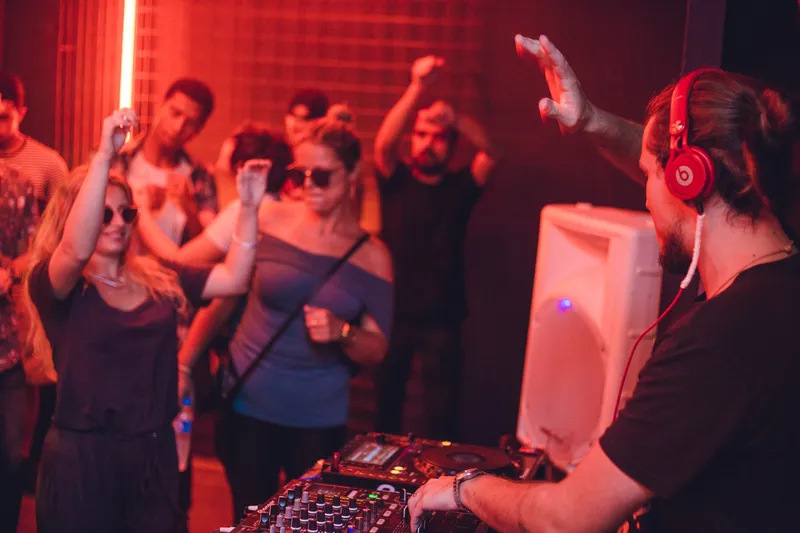
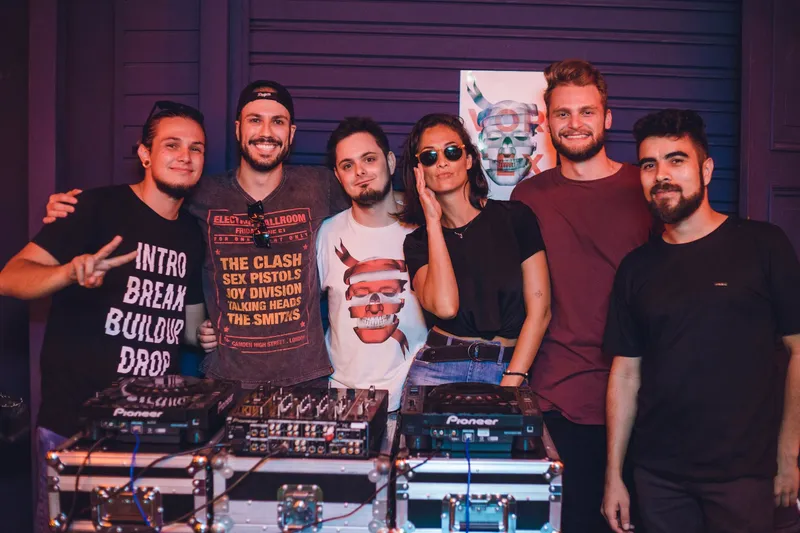
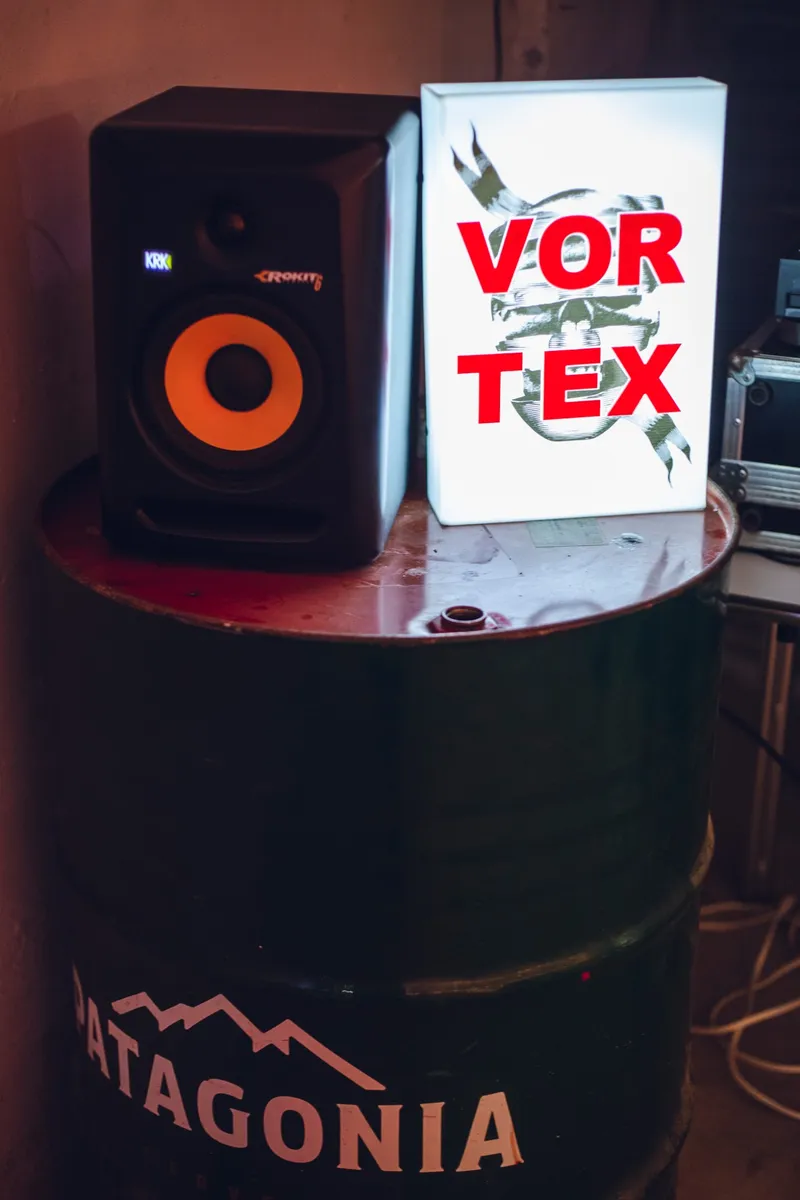
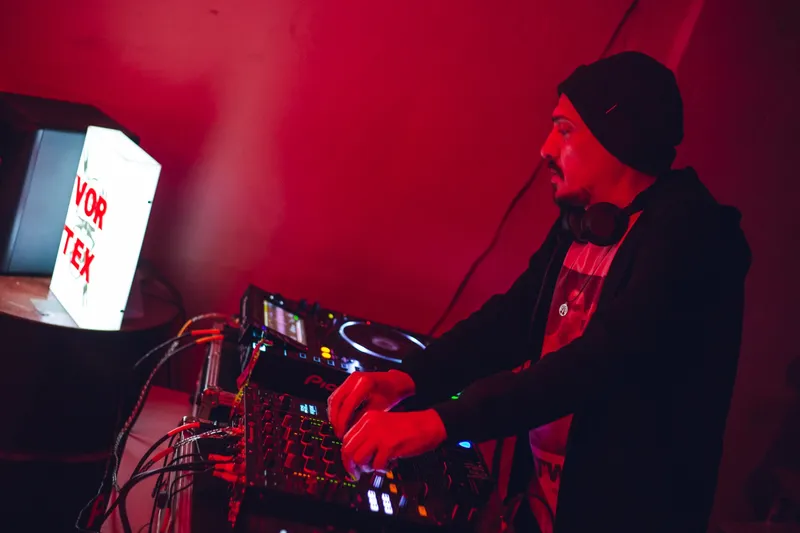
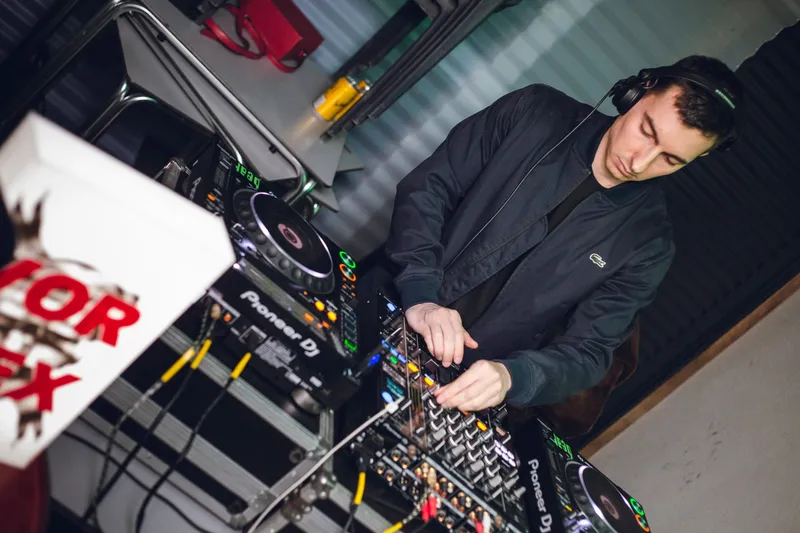
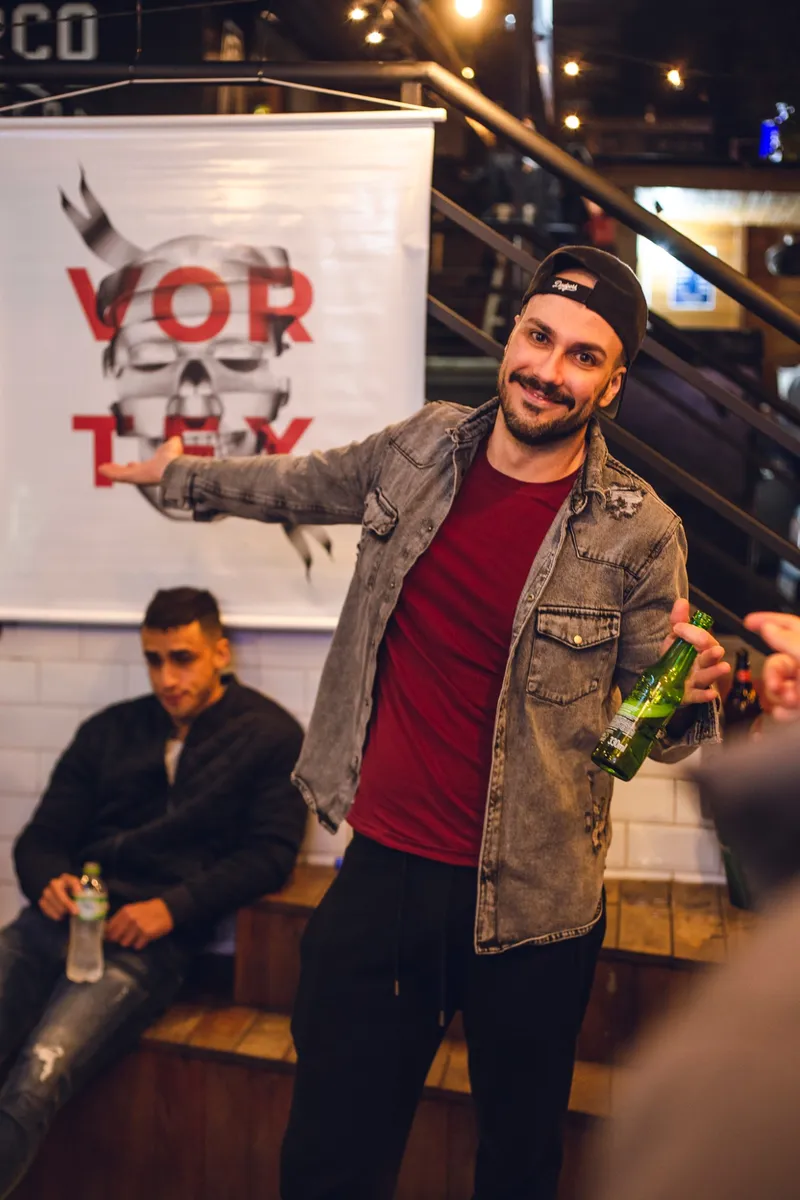
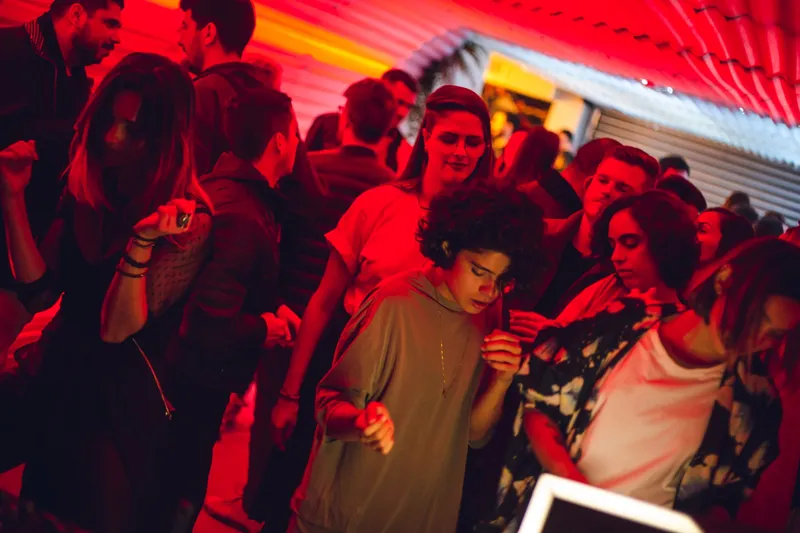
Music came next. Vortex was my electronic music project. I ran three house and techno editions across Rio Grande do Sul, my home state, not for profit. I wanted to learn from the inside how an electronic music event comes together: lineup, venue, sound, and the night itself.
Listen to the music I like on SoundCloud.